
Most visitors come to Cat Ba for the kayaking and limestone karsts. But Cat Ba Island culture and history run far deeper — 7,000 years of civilization, one of Vietnam’s last floating fishing villages, and an identity shaped entirely by the sea. This guide is for travelers who want to understand Cat Ba, not just photograph it.
Cat Ba Island Culture and History: A Quick Overview
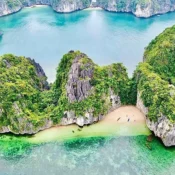
Cat Ba is the largest island in Lan Ha Bay, administratively part of Hai Phong City. With a population of around 13,000 people, the island has historically been shaped by fishing, forest living, and water-based trade. Its position at the edge of the Gulf of Tonkin made it a strategic and cultural crossroads for thousands of years.
Today, Cat Ba balances a growing tourism economy with deep-rooted traditions. The fishing families still work the bay at night, the floating village still exists, and the annual festival still draws the whole community to the water. For travelers willing to look beyond the resort strip, Cat Ba offers one of northern Vietnam’s most layered cultural experiences.
The Cái Bèo People: 7,000 Years of History
Cat Ba’s human story begins roughly 7,000 years ago with the Cái Bèo culture — one of the oldest known civilizations in Vietnam. Archaeological excavations at the Cái Bèo site have uncovered pottery fragments, stone tools, fish bones, and shell middens that paint a picture of a sophisticated coastal community living off the bay’s resources.
These were not primitive people. The Cái Bèo culture demonstrated advanced knowledge of tidal patterns, fishing techniques, and ceramic production. Their settlements were likely semi-aquatic — built at the water’s edge or on stilts — a pattern that would persist on this island for millennia.
What happened to them remains partly unknown. Climate shifts, rising sea levels, and pressure from migrating populations likely drove their decline. But their legacy didn’t disappear — it transformed into the fishing culture that still defines Cat Ba today.

Cai Beo archaeological site during excavation
Cái Bèo Floating Village: Living on the Water
Cái Bèo Floating Village is one of the last remaining floating fishing villages in Vietnam. Built entirely on the water — homes, fish cages, docks, and all — the village has been inhabited continuously for generations by families whose entire livelihood depends on the bay.
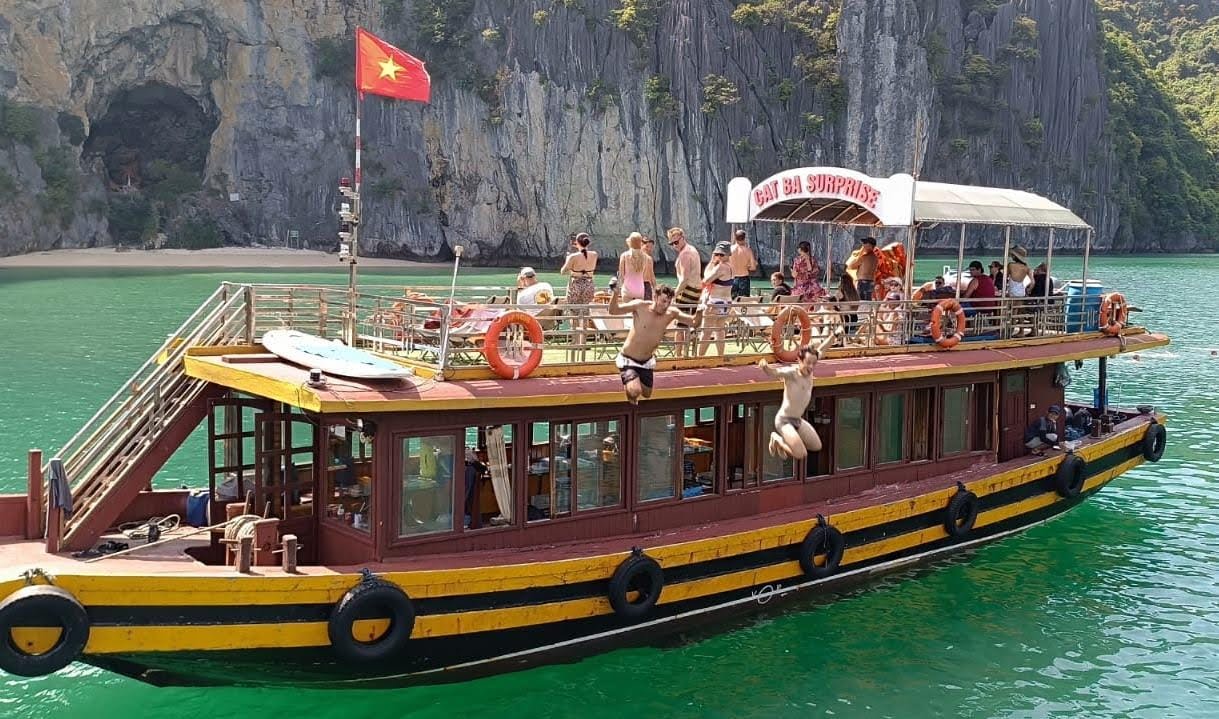
On Cat Ba Local’s Lan Ha Bay full day cruise, guests pass through Cái Bèo by boat and stop at the fish rafts to observe daily life up close. You’ll see fish cages suspended under the water — grouper, sea bass, crab — tended by families who have done this work their entire lives. Children do homework on floating platforms. Laundry dries above the waterline. The rhythm of life here is entirely shaped by tides and weather.
Cái Bèo is not a tourist reconstruction. It is a working community navigating a difficult transition — as Vietnamese authorities have gradually encouraged floating village residents to relocate to land-based housing, the population has declined significantly from its peak. What remains today is both culturally precious and fragile.
For a deeper immersion, the 2-day floating homestay places guests overnight in Lan Ha Bay, giving a direct — if comfortable — experience of what it means to sleep on the water surrounded by karst formations.

The Chinese Community: A Forgotten Chapter
In the mid-20th century, Cat Ba had a significant Chinese-Vietnamese population, primarily engaged in fishing and trade. Following the Sino-Vietnamese War of 1979, the majority of this community was relocated to China as part of a broader population movement across northern Vietnam.
Their presence left quiet traces on the island — in architectural details, in certain fishing techniques, and in some family names that persist today. This chapter of Cat Ba’s history is rarely discussed in tourist materials but forms part of the complex human geography of the island.
The Cat Ba Fishing Village Festival: April 1st Each Year
The most important cultural event on the island is the Cat Ba Fishing Village Festival, held every year on April 1st — which is also Vietnam’s National Fisheries Day. The festival takes place on Cat Ba’s central bay and draws the entire local community.
The centerpiece is the dragon boat race, with teams from fishing villages competing on the water in front of crowds gathered along the waterfront. Alongside the races, the festival includes traditional music performances, offerings to the sea gods, and community ceremonies that have been maintained for generations.
For travelers visiting in late March or early April, timing a trip around the festival offers rare access to a genuine community celebration — not a tourist performance.

Viet Hai Village: Time Standing Still
Hidden inside Cat Ba National Park, accessible only by boat through Lan Ha Bay or by a multi-hour trek through forest, Viet Hai is one of the most isolated communities in northern Vietnam. The village of roughly 50 families has no road connection to Cat Ba town. Electricity arrived only in recent years via solar panels.
Life in Viet Hai revolves around small-scale farming, fishing in the surrounding waterways, and ecotourism. The community has resisted full integration into the tourism economy, maintaining traditional practices and a pace of life that feels genuinely removed from the modern world.
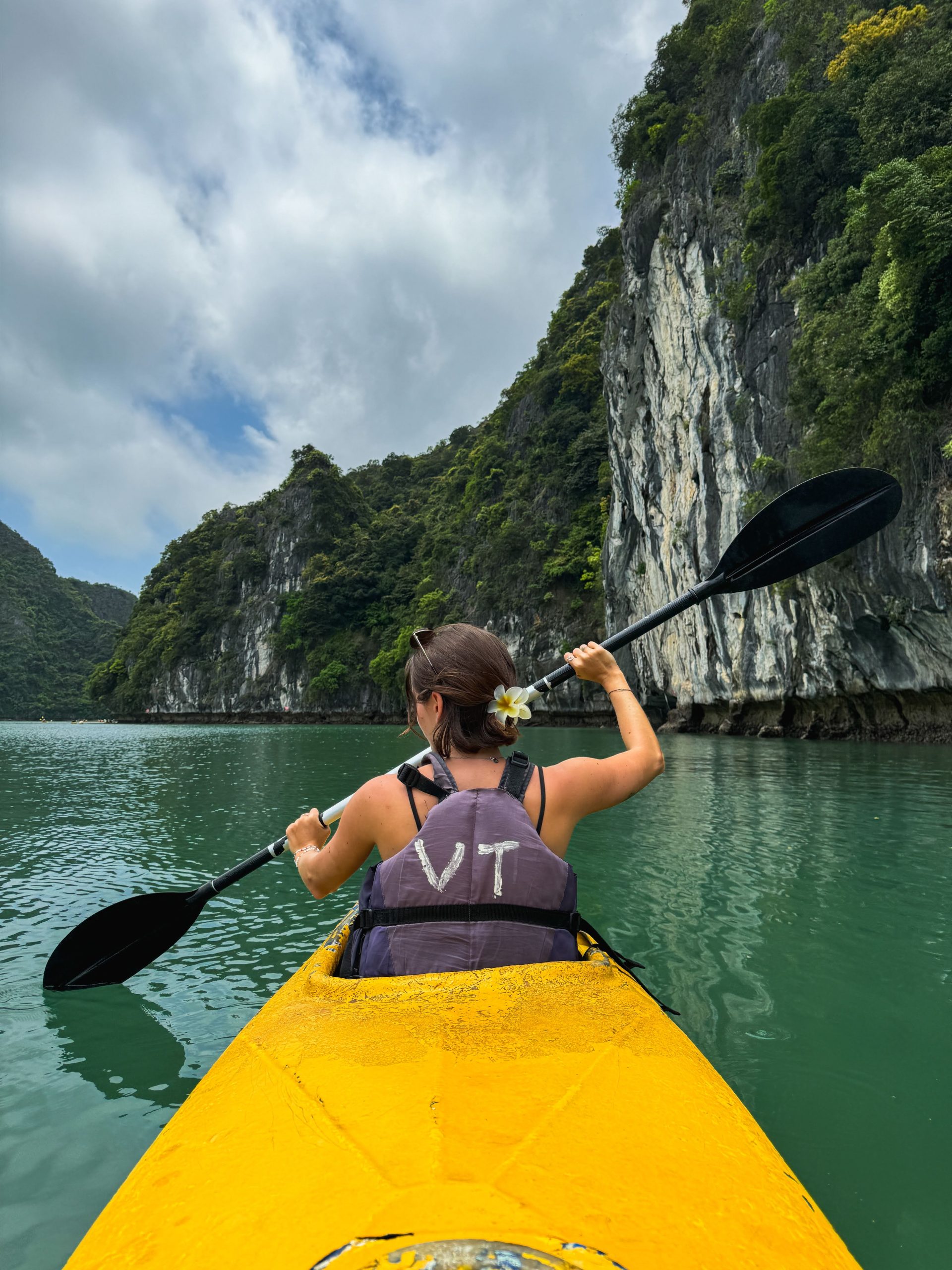
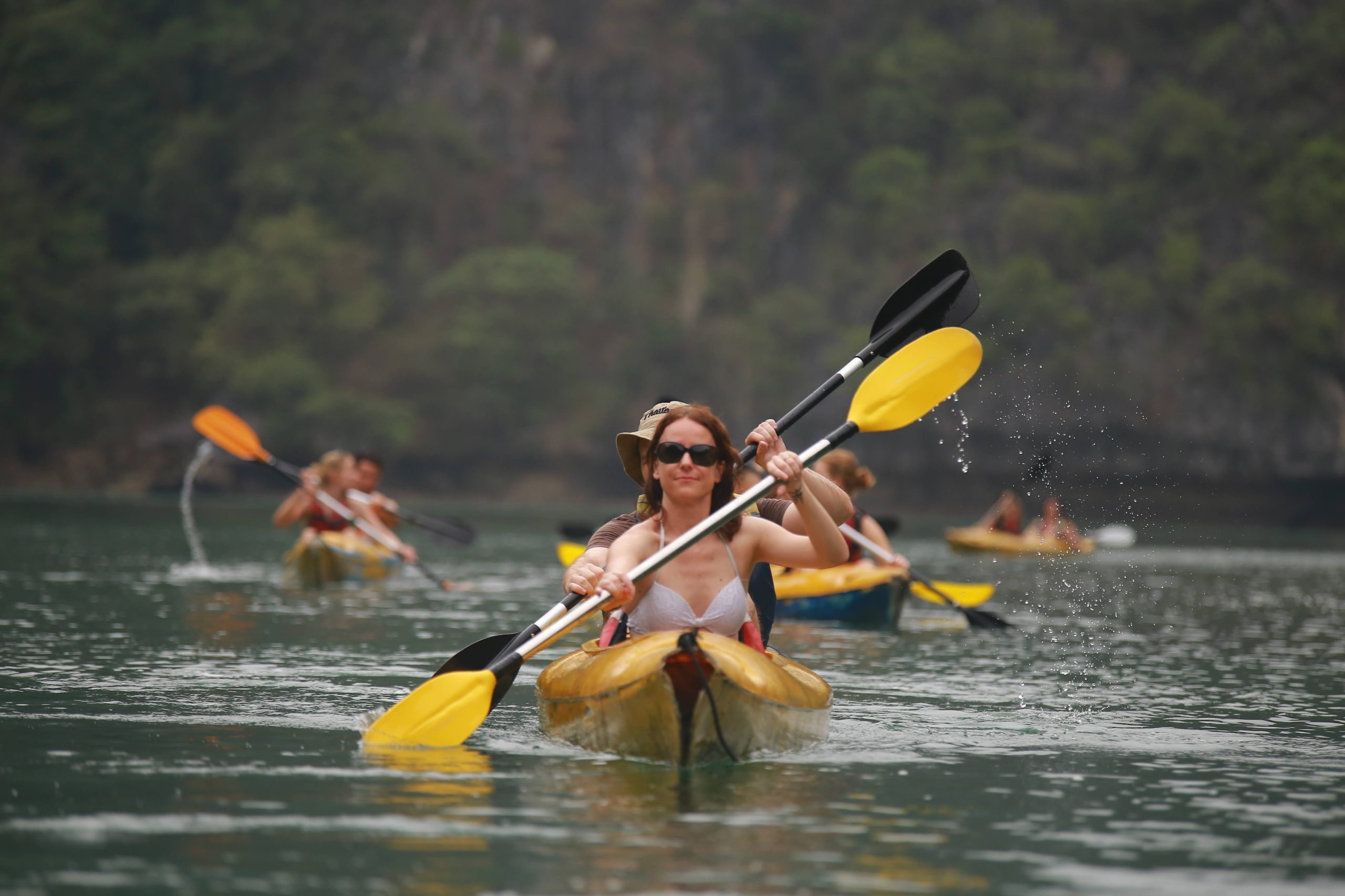
Cat Ba Local includes Viet Hai as part of trekking and kayaking itineraries — either approaching by kayak through the mangroves or trekking through the national park. Both routes offer a transition from the tourist-facing parts of the island into something quieter and more authentic.

The Geology Behind the Scenery
Cat Ba’s dramatic landscape is the result of 300–500 million years of geological activity. The limestone karst formations — the cliffs, towers, caves, and arches — were formed by the slow dissolution of carbonate rock by slightly acidic rainwater and seawater over geological timescales.
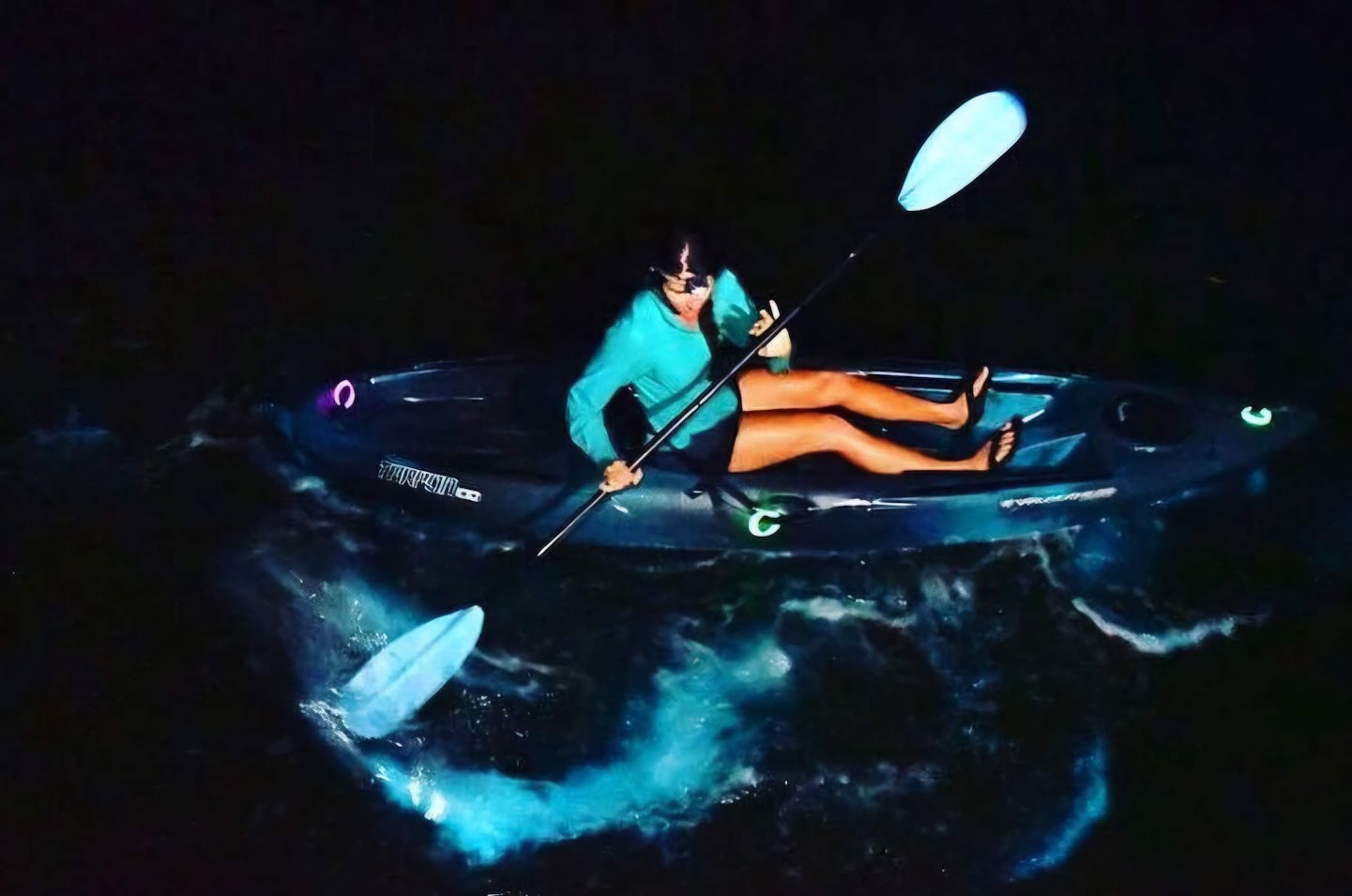
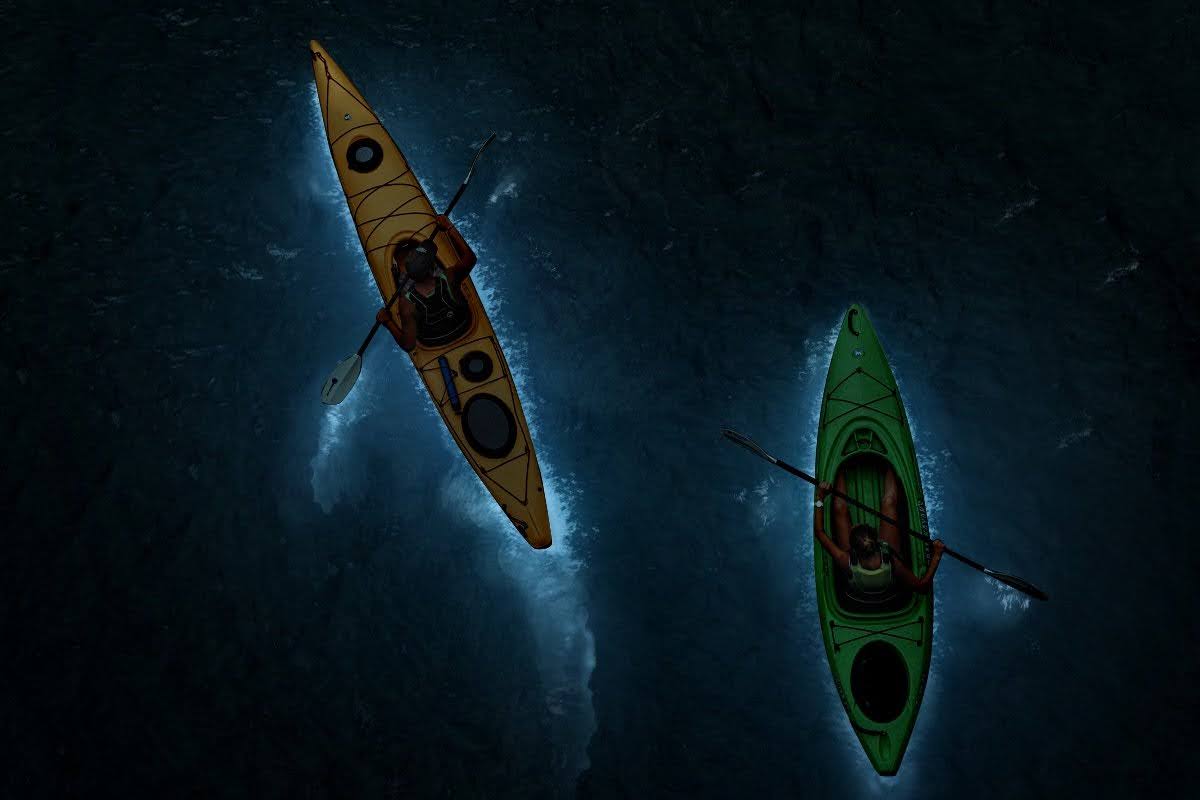
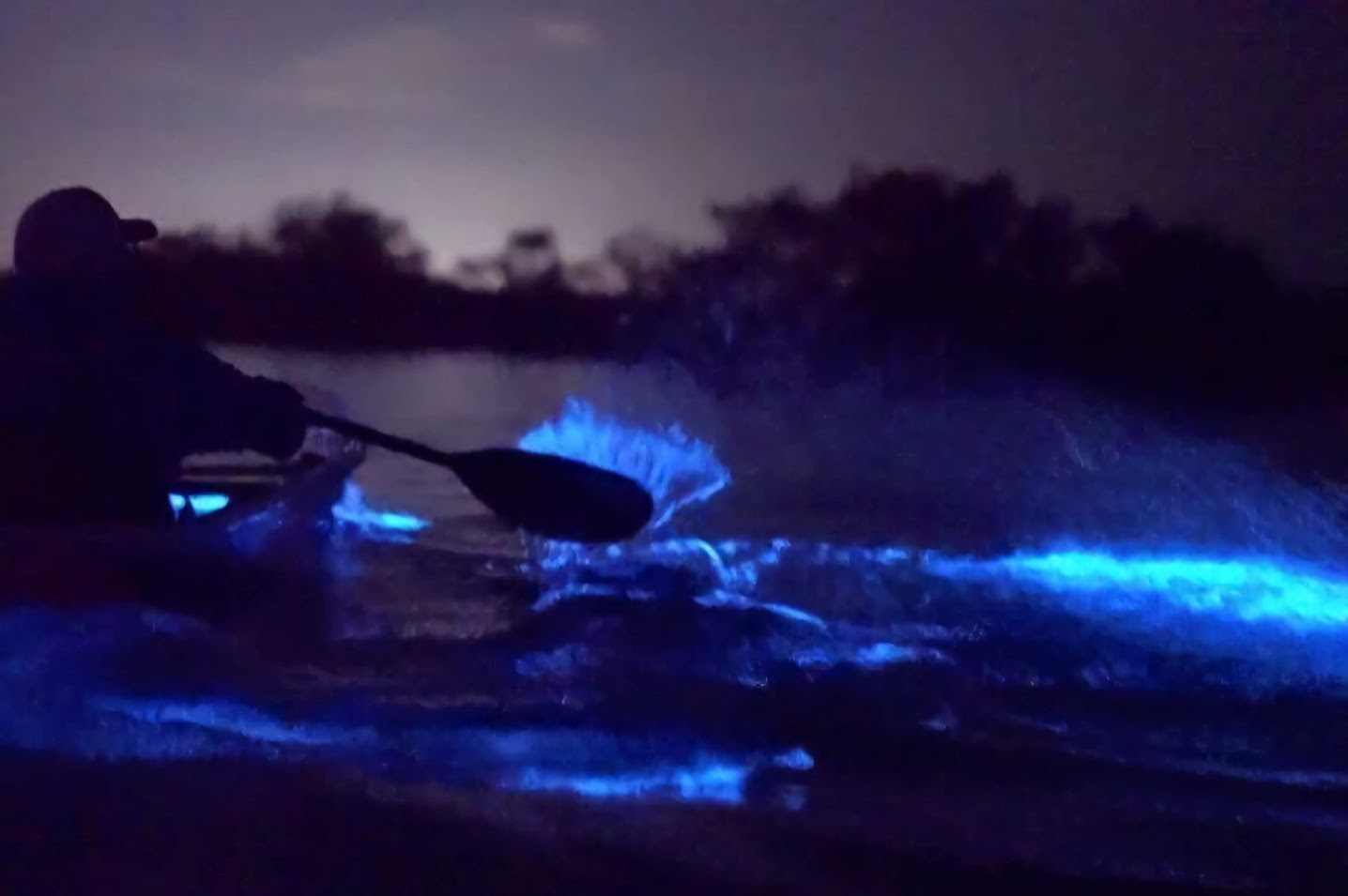
The greenish-blue color of Lan Ha Bay is caused by high concentrations of phytoplankton and suspended sediment. These same nutrient-rich conditions create the perfect environment for bioluminescent dinoflagellates — the microscopic organisms responsible for the glowing plankton phenomenon visible on dark nights. This is not a rare event here; it is a consistent feature of the bay’s ecology, which is why the night kayaking with bioluminescent plankton tour runs year-round.
Cat Ba National Park, established in 1986 and recognized as a UNESCO Biosphere Reserve in 2004, protects 260km² of this landscape including tropical forest, mangroves, coral reefs, and the habitat of the critically endangered Cat Ba langur — one of the rarest primates on earth with fewer than 100 individuals remaining.
How Cat Ba Has Changed: From Fishing Island to Tourist Destination
Until the 1990s, Cat Ba was a relatively isolated fishing community with minimal outside contact. The opening of Vietnam’s economy under Đổi Mới and the gradual development of Halong Bay tourism brought the first waves of visitors. Infrastructure followed — ferries, then roads, then hotels.
The transformation accelerated after 2020 with the opening of the Cat Hai–Phu Long cable car, which reduced travel time from Hanoi significantly and made Cat Ba accessible for day trips. The island now receives over one million visitors annually.
This growth has created tension between development and preservation. The floating villages have shrunk. The national park faces encroachment pressure. Traditional fishing livelihoods are being replaced by service industry jobs. Cat Ba is navigating the same challenges that every rapidly developing destination faces — how to grow without losing what made it worth visiting.


Cat Ba Island, 1928. Du Port du Perceval à “Apowan”.
Practical Tips for Cultural Travelers
- Best time to visit: April to November for weather. Visit around April 1st to catch the Fishing Village Festival.
- Getting here: The cable car from Cat Hai is the fastest option — 8–15 minutes across the water. Ferries and speedboats from Hai Phong are the traditional route.
- What to wear: Modest clothing when visiting Viet Hai or passing through fishing communities. Swimwear stays on the boat and beach.
- Photography: Always ask before photographing people in the floating village or Viet Hai. Many residents are accustomed to tourists but still appreciate being asked.
- Supporting local: Choose operators with genuine local roots. Cat Ba Local is founded and run by islanders — guides like Luffy grew up here and offer context no outsider can replicate.
Frequently Asked Questions
How old is Cat Ba Island’s human history?
Archaeological evidence from the Cái Bèo site dates human habitation on Cat Ba to approximately 7,000 years ago, making it one of the oldest continuously inhabited coastal locations in Vietnam.
Is Cái Bèo Floating Village still inhabited?
Yes, though the population has declined significantly as authorities have encouraged residents to relocate to land. The village remains active as a working fishing community and can be visited by boat as part of day cruises through Lan Ha Bay.
When is the Cat Ba Fishing Village Festival?
The festival is held every year on April 1st, coinciding with Vietnam’s National Fisheries Day. It takes place on Cat Ba’s central bay and features dragon boat races, traditional music, and offerings to the sea. Tourists are welcome to watch.
How do I get to Viet Hai Village?
Viet Hai is accessible by kayak through the mangroves of Lan Ha Bay, or by trekking through Cat Ba National Park. There is no road connection. Cat Ba Local offers guided routes to the village as part of multi-day itineraries.
What is the Cat Ba langur?
The Cat Ba langur (Trachypithecus poliocephalus) is a critically endangered primate found only on Cat Ba Island. Fewer than 100 individuals remain in the wild, making it one of the rarest mammals on earth. It lives in the limestone forest of Cat Ba National Park.
Is Cat Ba part of Ha Long Bay?
Cat Ba Island borders Lan Ha Bay to the south and Ha Long Bay to the north. The two bays share the same limestone karst landscape but are managed separately. Lan Ha Bay — accessed from Cat Ba — is generally considered less crowded and more pristine than the main Ha Long Bay tourist routes.
Experience Cat Ba’s Culture Firsthand
Reading about Cat Ba’s history is one thing. Paddling through Cái Bèo at sunrise, watching fishermen pull in their nets, or sitting in Viet Hai while the forest goes quiet around you — that’s something else entirely.
Cat Ba Local’s tours are designed around these moments. Our guides are islanders who grew up here, and the routes we take are the ones locals actually know — not the standard circuit. Whether you join the full day cruise through Lan Ha Bay, spend a night on the floating homestay, or experience the bay after dark on the bioluminescent plankton kayak tour, you’ll leave with more than photos.
For trip planning, see our complete Cat Ba trip guide covering transport, accommodation, and food, or browse the top 7 highlights for a one-day itinerary if your time is limited.